
Author's Note
I wrote this after thinking about how every generation remembers its own "golden age" of technology. Perhaps what we truly miss isn't the technology itself, but the sense that it still belonged to us.
A personal reflection on AltaVista, the early internet, Home Assistant, and why the future of AI belongs in local, open smart homes—not in the cloud.
I first understood the internet not through a search box, but through a directory tree.
It was during a student internship, years before Google became a verb. Exploring the web meant starting at Yahoo's homepage and clicking through categories—Business, Technology, Home & Garden—each layer unfolding like a library shelf organized by human editors. My job was straightforward: find the right category, submit our company's website, and hope visitors would navigate the same path.
I remember the strange satisfaction of placing a listing in exactly the right spot. It wasn't just data entry. It was the beginning of something—learning how to describe ourselves to a system. Who are we? What do we offer? Why should anyone find us? The questions were simple enough, but they hinted at something deeper, something that would quietly follow me through every stage of technology for the next three decades.
Looking back, I no longer see Yahoo, AltaVista, Google, SEO, prompt engineering, or AI as separate things. They were all doors. Each opened onto a different landscape. First we explored the network. Now the network is beginning to explore us. The direction has changed. The conversation hasn't.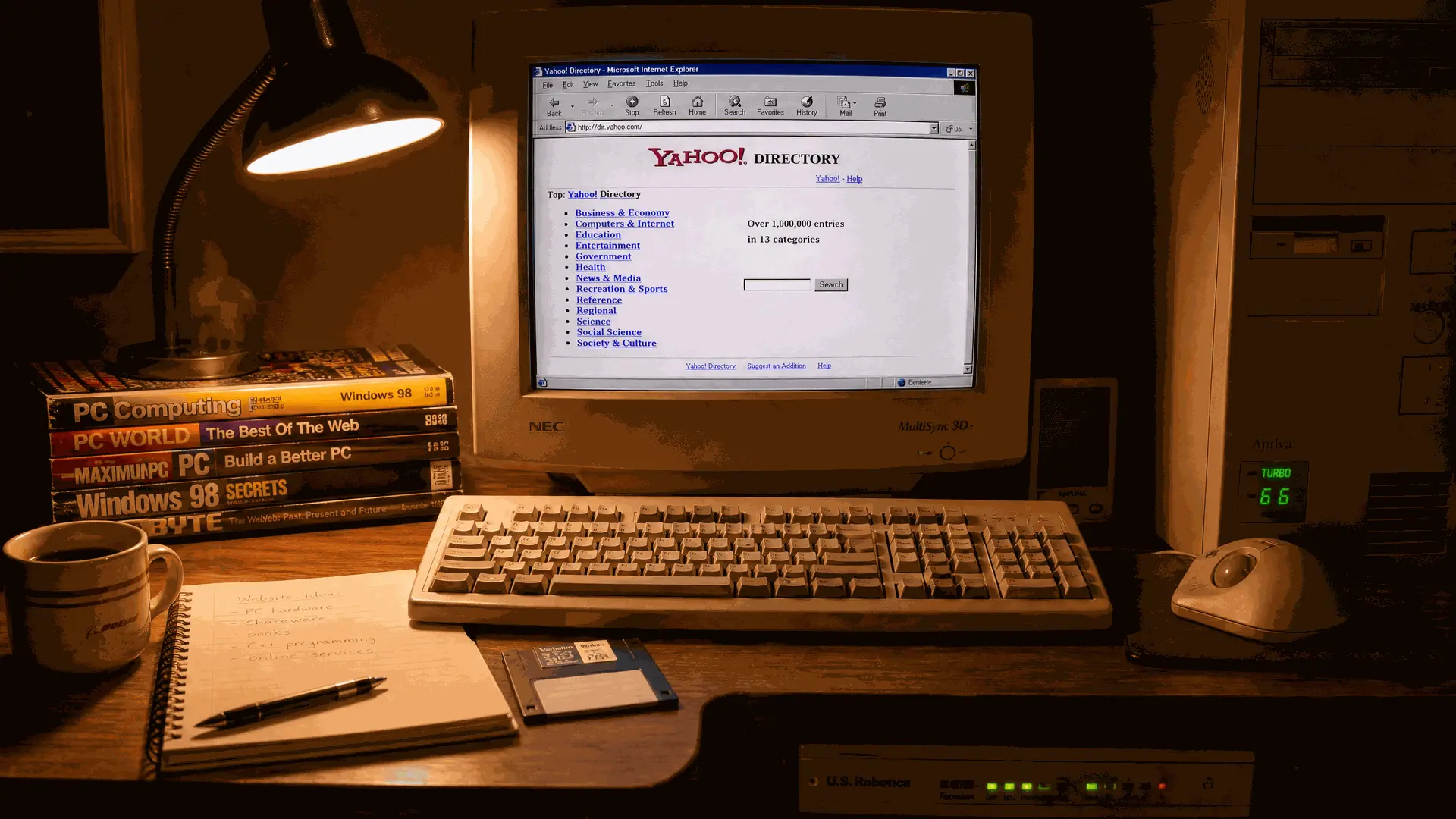
The AltaVista Moment
Then came AltaVista.
In 1995, it arrived with a radical proposition: forget the directory tree. Just type what you're looking for. Powered by DEC's 64-bit Alpha processors and a web crawler called Scooter, AltaVista transformed the chaotic ocean of the early web into something you could actually search. For the first time, you could ask a question and receive answers from across the entire internet in seconds.
It felt like exploration. Sometimes the most interesting page wasn't the answer to your search, but the page you stumbled across on the way.It wasn't unusual to begin by looking for one thing and end up spending an evening reading something entirely different. You could wander through personal homepages, obscure academic papers, and forum discussions that no human editor would ever categorize. Every search was an expedition into digital wilderness—unpredictable, unpolished, and full of genuine discovery.
The search results weren't optimized for engagement. No algorithm studied your behavior to decide what you should see next. Pages ranked well because they contained what you searched for, not because someone paid for placement or figured out how to game the system. The goal was refreshingly simple: help you find what you were looking for and send you on your way.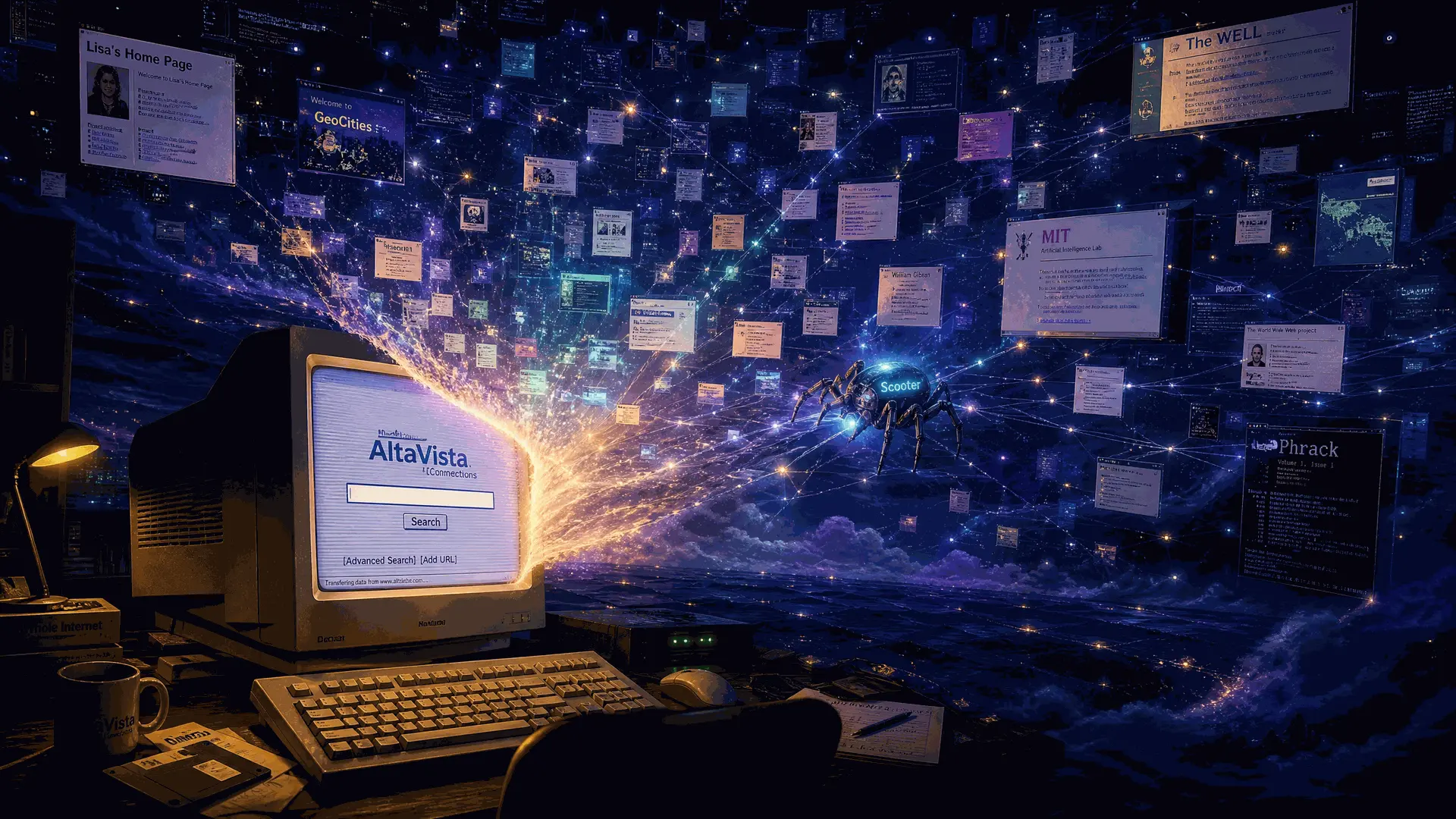
Why We Miss That Wilderness
What stays with us when we remember AltaVista isn't really about a piece of obsolete technology. It's about a particular way of being with machines—one where the system served curiosity rather than the other way around.
The early internet was decentralized. Personal blogs, self-hosted forums, and hand-coded websites formed a sprawling, chaotic ecosystem that nobody owned. Content existed because someone cared enough to create it. Discovery was active: you sought, you found, you moved on.
Today's internet has settled into a different rhythm. Algorithms don't just help you find things—they shape what you see. Recommendation engines optimize for how long you stay. Platforms build walls around their content to keep you inside. Somewhere along the way, the explorer gave way to the consumer, and much of the wilderness got paved over.
AltaVista's own fate foreshadowed all of this. The company that once had the world's most powerful search technology eventually tried to become an all-purpose portal, stuffing its clean interface with news tickers, weather widgets, and banner ads. Two young engineers named Larry Page and Sergey Brin watched this happen and drew a different conclusion: the search box should remain a search box. For a while, Google kept that promise. Then the same gravitational pull of engagement metrics and advertising revenue reshaped it too.
The Same Story Happened in Smart Homes
Before smart homes became products, they were projects.
Long before Google Home and Alexa, before cloud-connected thermostats and subscription doorbells, intelligent homes already existed. Not the polished, voice-activated rooms we know today, but homes built around field buses, power-line communication, and dedicated controllers. X10 sent commands through electrical wiring. KNX and LonWorks connected buildings through distributed networks. Professional systems spoke proprietary languages over RS-485, CAN, or custom buses. They weren't always easy to install, but they shared one thing: the home belonged to itself. The logic lived inside the building. Switches talked directly to controllers. Sensors triggered relays. If the internet disappeared, the lights still turned on.
Somewhere in the late 1990s and early 2000s, countless hobbyists were soldering their own controller boards, pulling cables through unfinished walls, and arguing on mailing lists about protocols that most people had never heard of. They weren't building products. They were building their own corner of the world.
Then Ethernet became ubiquitous and inexpensive embedded computers appeared. People began wiring together Raspberry Pis, USB Zigbee coordinators, MQTT brokers, and eventually Home Assistant. YAML replaced vendor configuration software. Open-source communities replaced dealer-only ecosystems. But the underlying philosophy didn't change much. The rules were still deterministic: if the motion sensor detected someone and the ambient light dropped below 30 lux, turn on the hallway lamp. No cloud required. No data leaving the house. No company deciding whether your lights should continue working next year.
You defined the rules. You owned the infrastructure. The system worked for you because you built it, understood it, and could modify it whenever your needs changed. The satisfaction wasn't just practical. It was creative. Like building a personal website in 1998 or discovering an obscure forum thread through AltaVista, shaping your own smart home felt like shaping a small corner of the world. It was yours.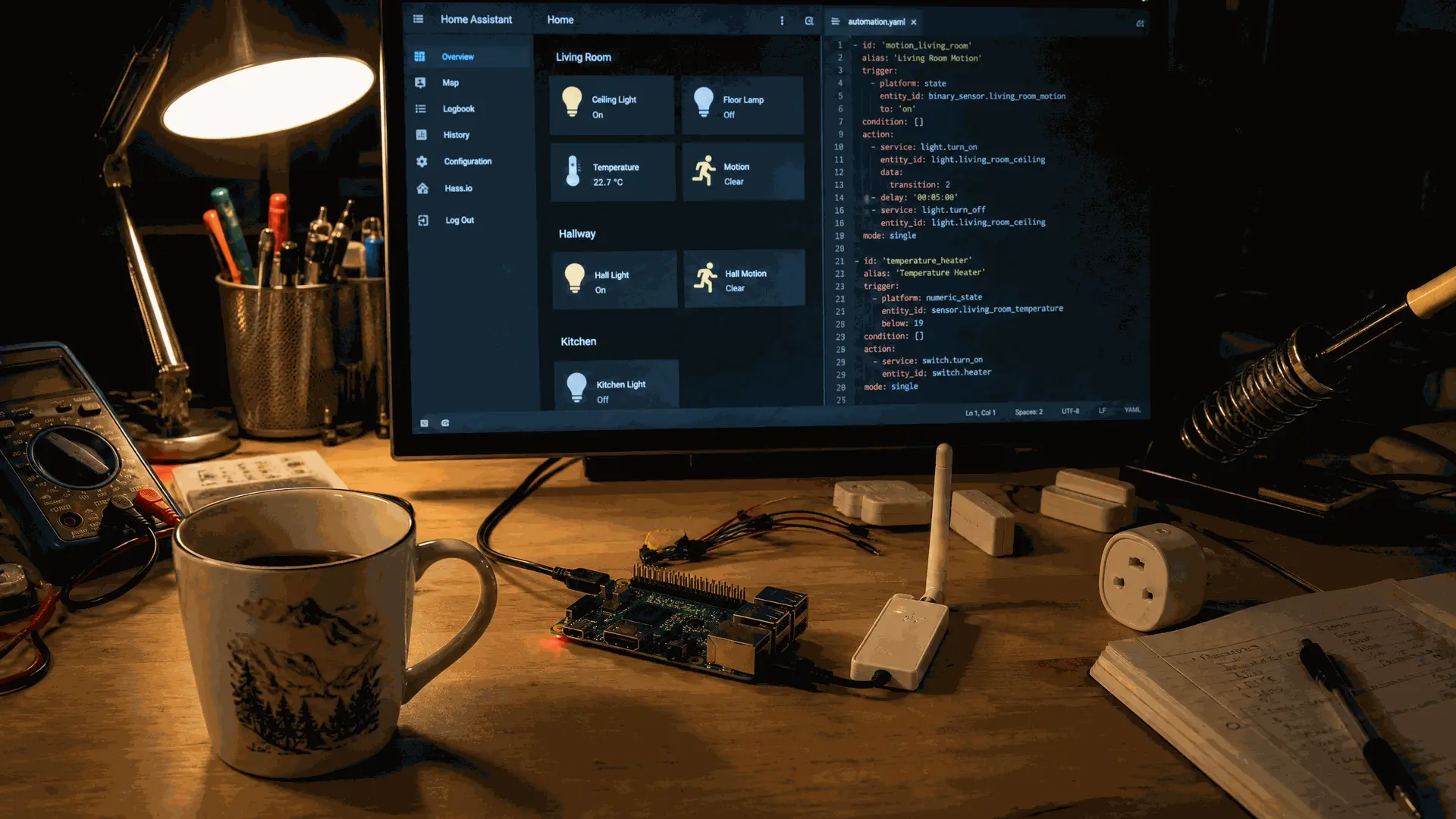
Then the Cloud Arrived
What happened next followed a familiar pattern. Large companies recognized the potential of connected homes and moved in. Smart speakers appeared in millions of living rooms. Thermostats learned schedules and uploaded them to corporate servers. Doorbell cameras streamed video to cloud platforms that analyzed faces and retained footage indefinitely.
Convenience was the promise, and it was real. Setting up a cloud-connected device took minutes, not weekends. The interfaces were polished. The voice assistants understood natural language. But something was quietly lost in the transaction: the infrastructure no longer belonged to the person living in the home.
Data that once stayed local now traveled to data centers. Automations that once ran on deterministic code now depended on cloud APIs that could change pricing, change behavior, or simply disappear. The smart home had become a service rather than a possession, and the homeowner had become a user—subject to terms of service, end-user license agreements, and the shifting priorities of distant corporations.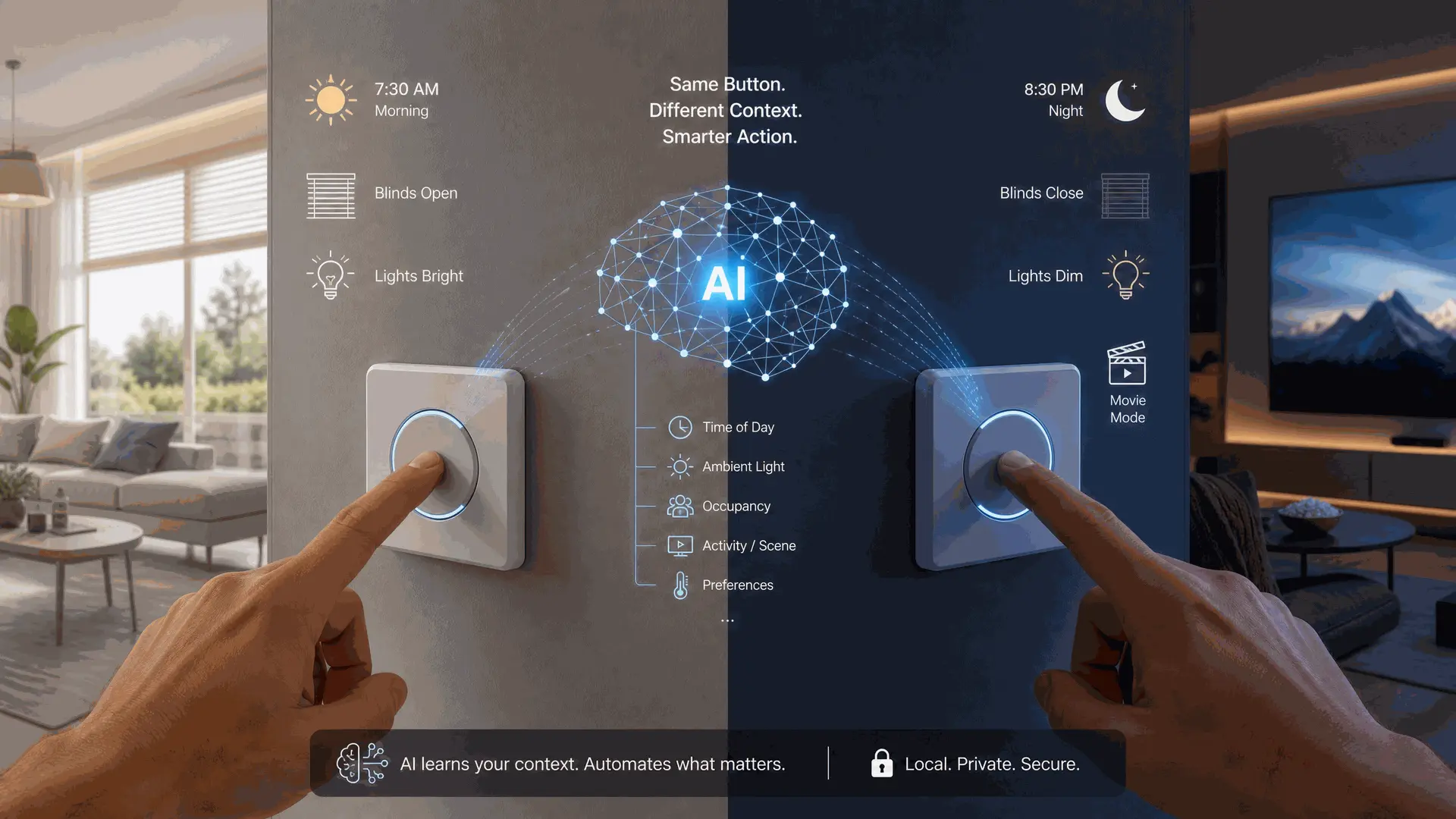
AI Arrives
Now artificial intelligence is reshaping the landscape again. Large language models can understand natural requests, chain together complex actions, and even anticipate needs before they're expressed. A home that adapts to your rhythms, understands context, reduces the friction of daily life—none of this is science fiction anymore.
However, traditional automation is deterministic. The same input produces the same output, every time. You can test it, trust it, and understand exactly why something happened. AI automation is probabilistic. The system makes its best guess based on training data and context. Most of the time it's right. Occasionally it drifts—arriving at a plausible but incorrect conclusion.
In a chatbot, a drift is a wrong answer. In a physical home, a drift could be an unlocked door, an overheated appliance, or a security system that disarmed itself at the wrong moment. The stakes are different when software touches the physical world.
Then there's the privacy question, which grows sharper the more AI learns about your life. To understand context—your habits, your preferences, your routines—AI needs data. The more intimate the understanding, the more comprehensive the observation. A camera that recognizes family members. A microphone that listens for distress. A health sensor that tracks biometric patterns. Each one is useful by itself. Together, they paint a picture of private life that no outside entity should possess.
And there's a quieter risk: dependency. When every interaction flows through a cloud AI, the home stops working without an internet connection. When the manufacturer decides your hardware is too old to support, it becomes electronic waste overnight. The smart home becomes a subscription, and the homeowner becomes a tenant in their own space.
A Different Path
None of this is inevitable. A Different Path is already there, the gate is opened — not through corporations, but through the same kind of people who built the early internet, wired their homes with X10 and KNX, and wrote the first generation of Home Assistant automations.
Home Assistant's voice pipelines run locally, processing speech on-device rather than streaming it to the cloud. Small language models—compact enough to run on a Mini PC or a future device with a neural processing unit—can understand natural language without phoning home. Open-source communities are proving, one project at a time, that you can have intelligent automation without surrendering ownership.
This is the same crossroads the early internet faced. AltaVista arrived at a moment when information felt ready to break free—searchable, accessible, unmediated. What happened afterward wasn't inevitable. It was a series of choices about who would control the infrastructure, and those choices remain open.
The smart home stands at the same kind of crossroads now. One path leads toward ever-deeper corporate integration: AI that understands you by uploading your life to the cloud. The other leads toward local intelligence: AI that runs on your hardware, respects your boundaries, and works for you.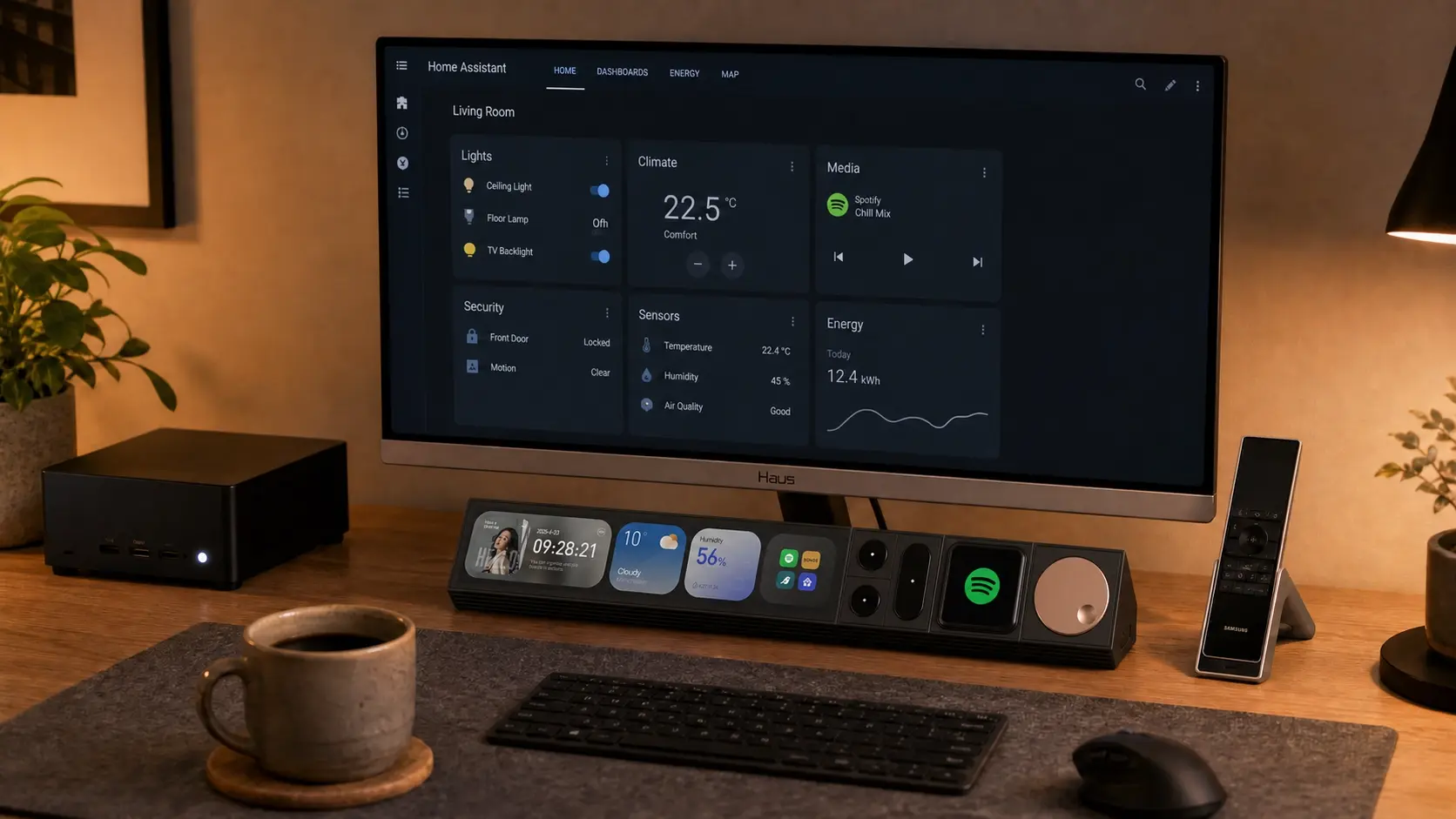
The Wilderness We Choose
I still think about those early days—clicking through Yahoo's directory, discovering AltaVista's raw power, building automations that felt like shaping the physical world. The common thread wasn't any particular technology. It was a relationship where the human stayed in charge.
The wilderness was never just a place. Looking back, I think it was a kind of relationship—built on curiosity, on ownership, on the quiet confidence that the tools around us were still ours to shape.
In the wilderness of the early internet, people freely built websites. In the wilderness of early home automation, people freely wired their own houses and wrote their own rules. And now, in the age of AI, maybe we can open a new kind of wilderness—not a platform where every interaction is predetermined, but a landscape where people compose their own tools, assemble their own interfaces, and define their own relationship with intelligence.
The directory tree was never the destination. Neither was the search box. Neither is AI. They were all just different doors, different ways of approaching the same enduring question: how do we meet the world through technology without the technology standing between us and it?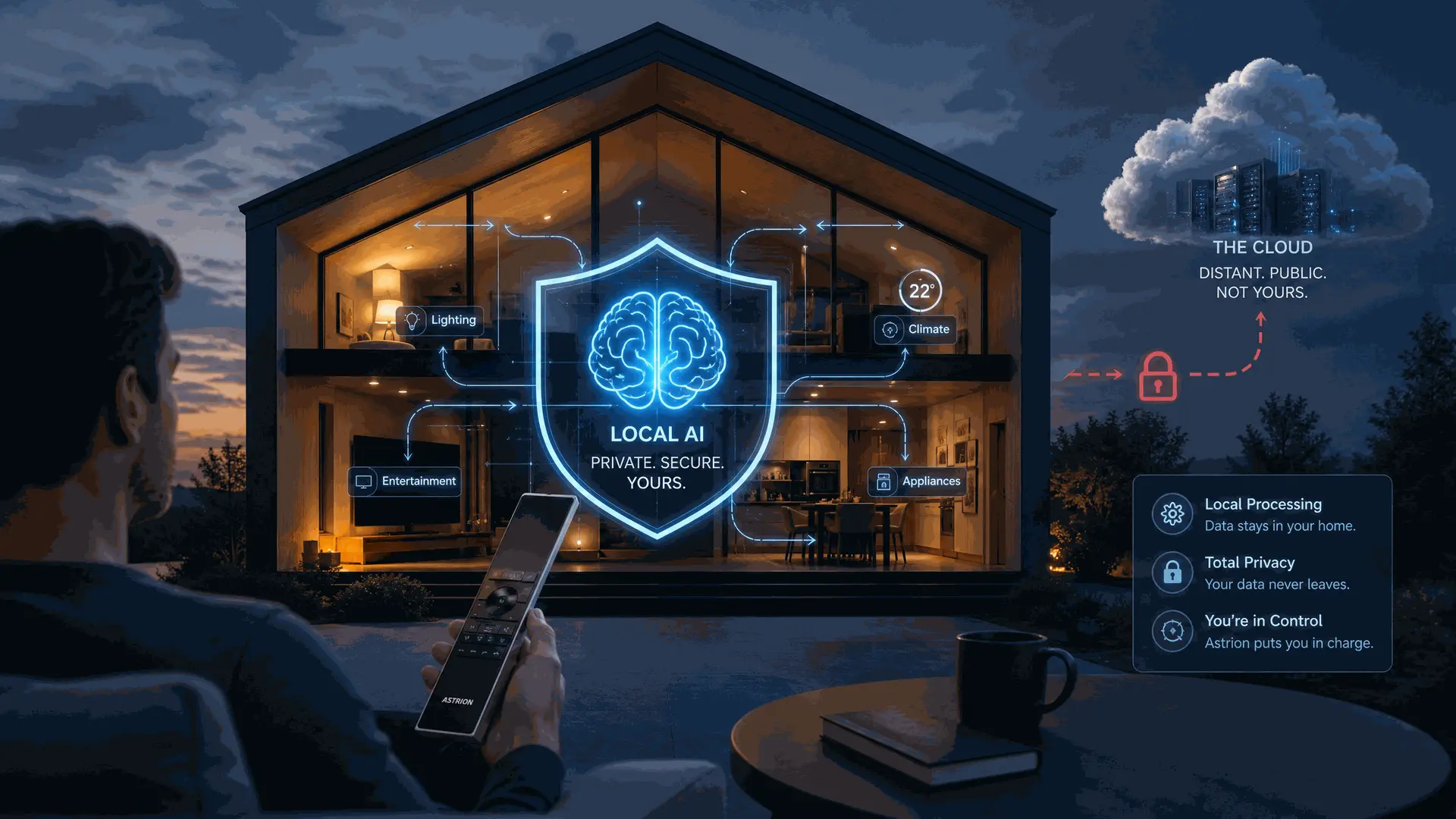
The early internet rewarded curiosity. Early home automation rewarded creativity. Both assumed that the user should define the experience. As AI reshapes the smart home, that relationship is still ours to define. Local intelligence. Human authority. Systems that understand you because you control them, not because you've surrendered to them.
The wilderness isn't something we can return to. It's something we build again, door by door. Not by rejecting intelligence, but by deciding where it lives and who it answers to.
When I think back to those early days, I sometimes picture myself as a child sitting beside a window.
The internet was on the other side. I could watch it, describe it, search it, and slowly begin to understand it. Every generation of technology polished the glass a little more. Yahoo organized the view. AltaVista made it searchable. Google made it effortless. AI is beginning to make it conversational.
But perhaps none of these were ever meant to be the destination.
A window, after all, is still a window. Eventually, you stand up. You open the door. You step outside. Not because the window was broken, but because the purpose of every interface—every directory tree, every search box, every dashboard, every button—was never simply to help us observe the world more clearly. It was to help us walk into it.
Every generation opens another door.
Not into a different world,
but into the same one we've always belonged to.
Perhaps that has always been the journey.
Not from Yahoo to AI.
But from looking through the window to finally walking outside,
into a world that was never separate from us
in the first place.
We are not visitors here.
We belong to it,
and it belongs to us.
The Lost Wilderness of Technology: From AltaVista to Local AI Smart Homes